
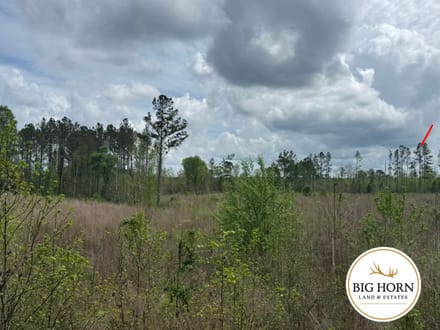
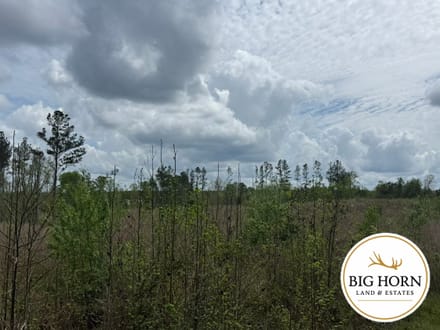
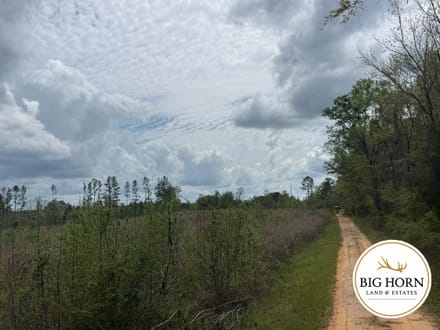
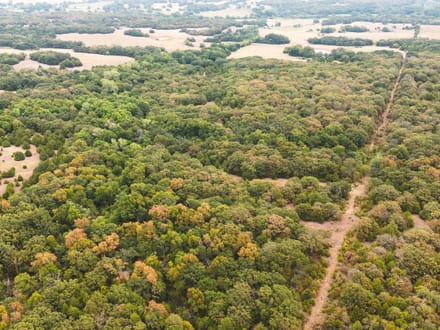
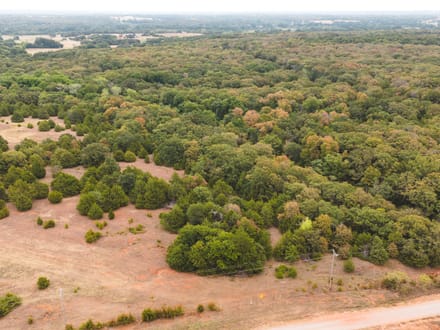
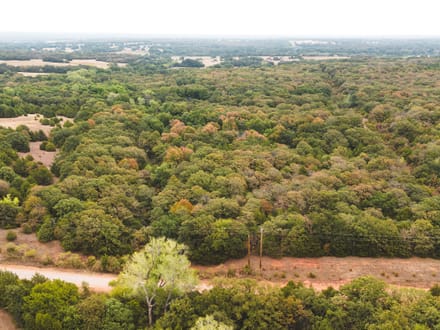
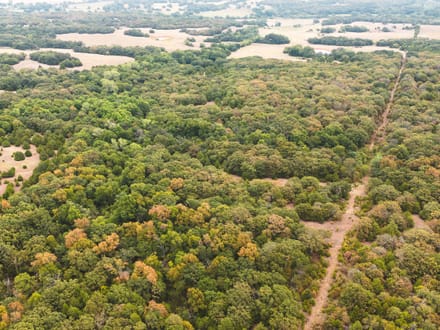
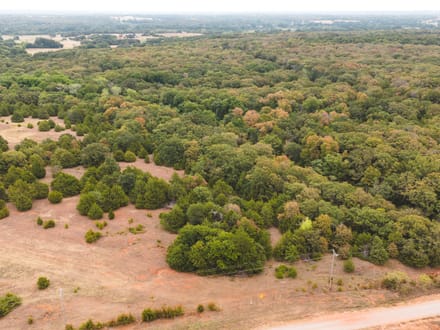
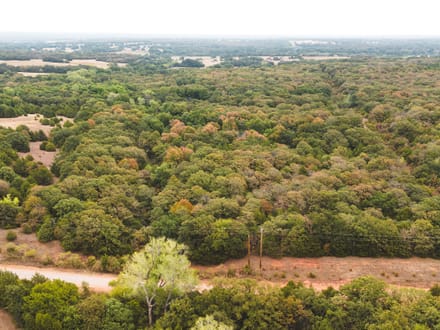





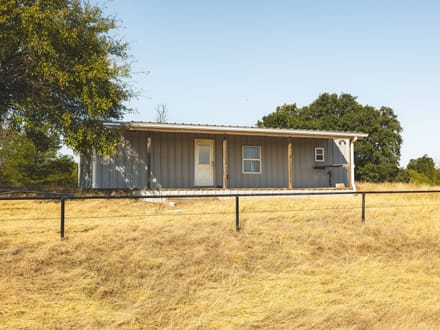









How Rural Land for Sale Breaks Down by Use
Most buyers start with a goal, not a place. You might want ground that earns income, a tract to hunt, or acreage to build on. The kind of land you buy decides how well it serves that goal. That makes it worth knowing how rural land across the country is actually used.
The USDA Economic Research Service tracks every major use of land in the country. Its latest count puts total U.S. land at about 2.26 billion acres. Three uses cover most of the rural land you will find for sale.
| Land use | Share of U.S. land (2017) | What it suits |
|---|---|---|
| Grassland pasture and range | 29% | Grazing, hay, and open recreation |
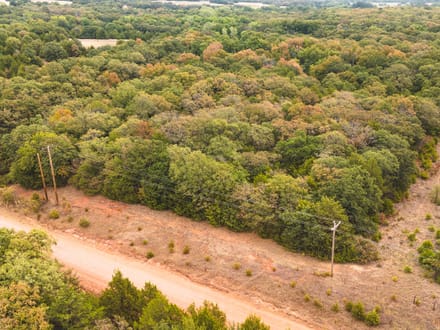
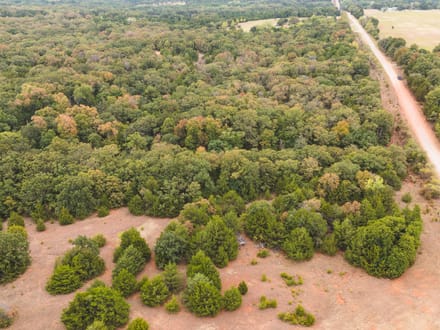
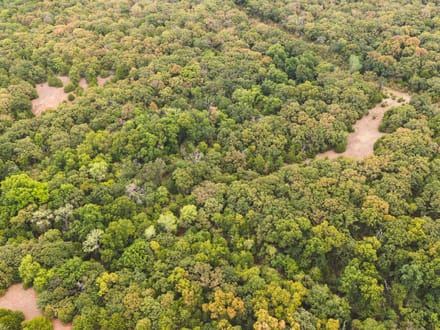
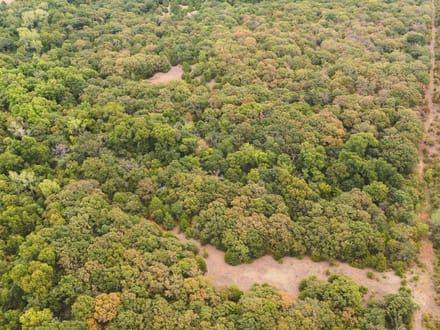
| Forest-use land | 28% | Timber income, hunting, and privacy |
| Cropland | 17% | Row crops and farm leases |
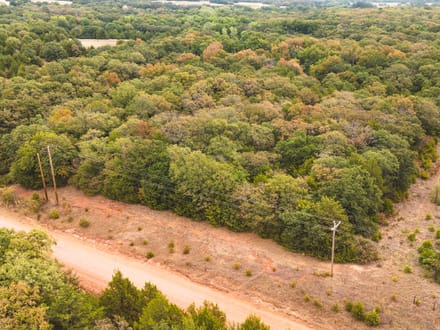
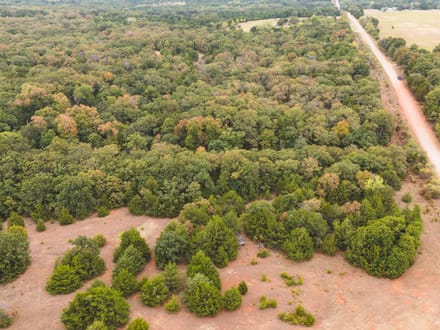
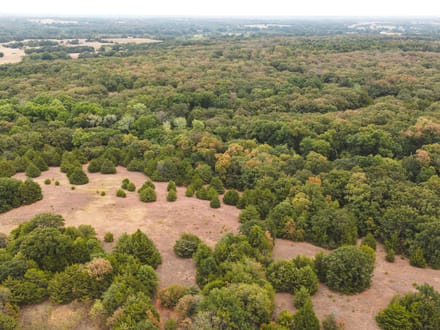
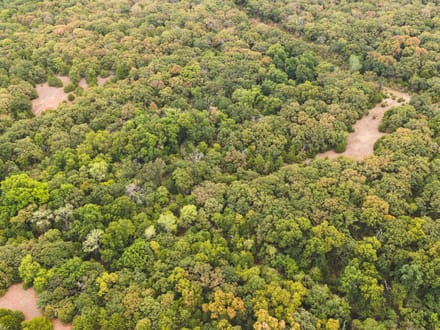
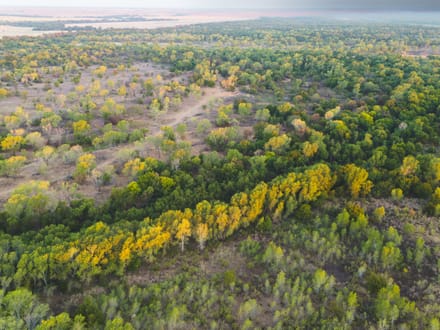
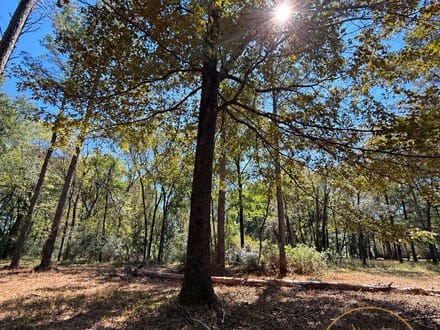
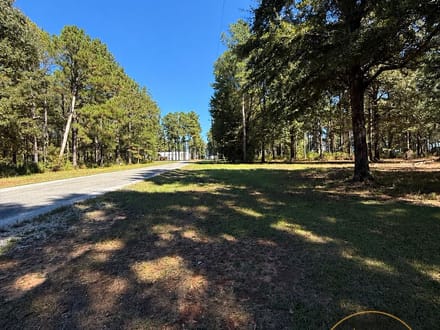
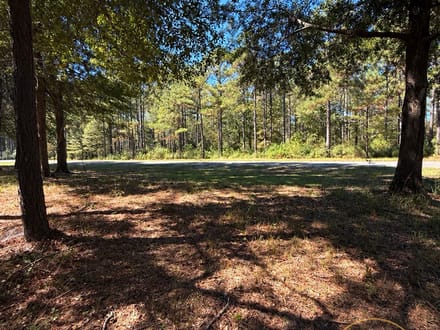
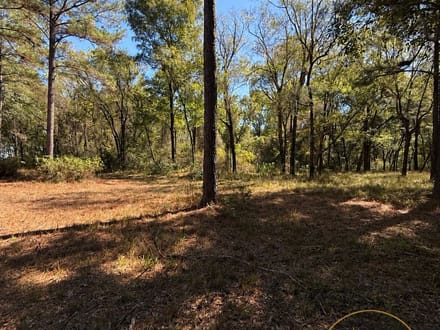
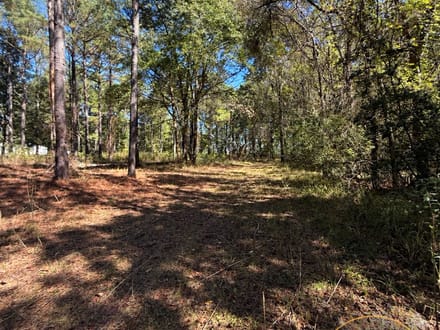
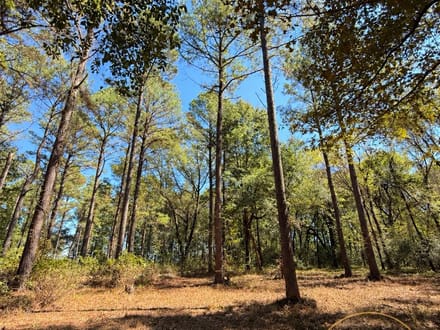
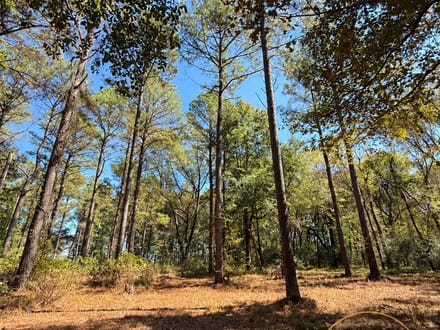
Where you look matters too. In ERS data, cropland is concentrated in the Corn Belt and Northern Plains. Grassland pasture and range cover most of the Mountain and Southern Plains regions. Across the Northeast, Appalachian, Southeast, and Delta regions, most land is in forest. So if you want timber or wooded hunting ground, the eastern regions are where forest land is most common.
Match the Land to What You Want It to Do
If you farm or run cattle, you need workable soil, water, and room for equipment. Cropland and improved pasture fit that goal. Hunters want cover, food sources, and space for game to move. Wooded tracts and mixed farm and timber ground usually deliver that. For a long-term hold, many buyers look for land that can earn while they own it, such as timber or leased cropland.
Start with the type of ground that fits your plans. You can browse our hunting and recreational land, our ranch and farm land, or our timber tracts and investment properties.
What to Check on Any Tract Before You Buy
Buying rural land takes different due diligence than buying a house. These checks apply to almost every tract, whatever you plan to do with it.
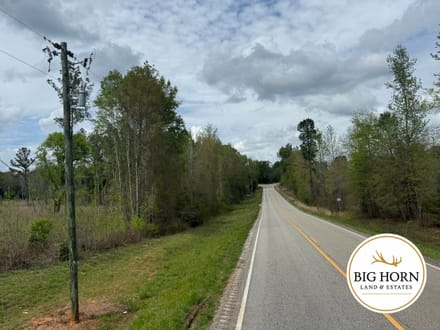
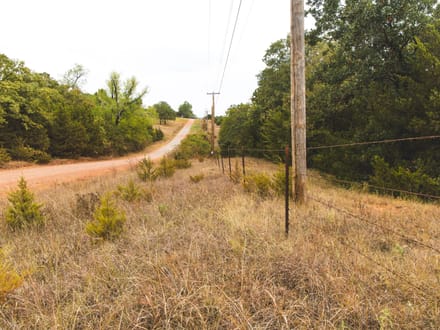
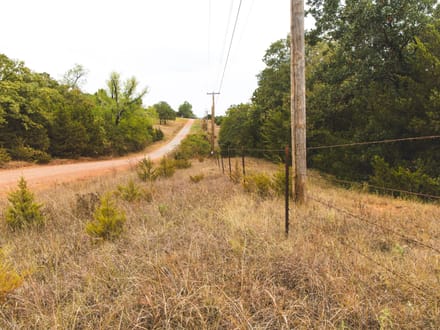
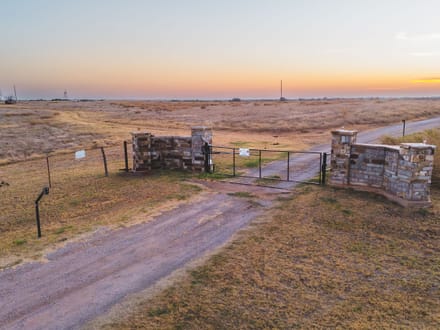
- Access. Confirm legal, deeded access or direct road frontage before you commit to a tract.
- Water. Look at creeks, ponds, and wells. Confirm the water rights in writing as part of your purchase.
- Mineral rights. Ask whether the mineral rights convey with the sale. Get the answer before you close.
- Survey. A current survey confirms the acreage and boundary lines you are paying for.
- Flood zone. Check the FEMA flood map for the tract before you plan any building.
Land values vary by region and land type, and they shift from year to year. For current figures, check the annual Land Values report from the USDA National Agricultural Statistics Service. Our agents also use local comparable sales to show you what a specific tract is worth. Ask us for recent sales near any tract you are weighing.
Browse the listings above to see what is on the market now. When you find a tract that fits, contact our team and a Big Horn land specialist will help you evaluate it. Tell us what you want the land to do, and we will point you to the tracts that fit.
