



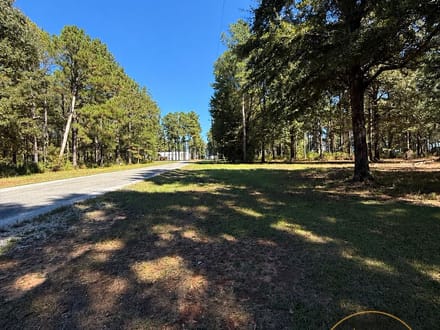
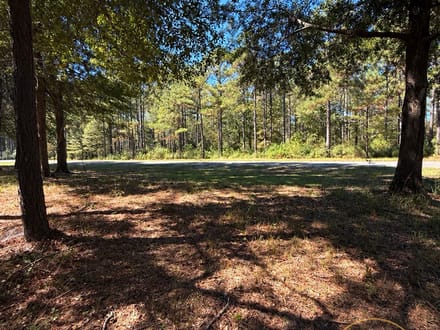
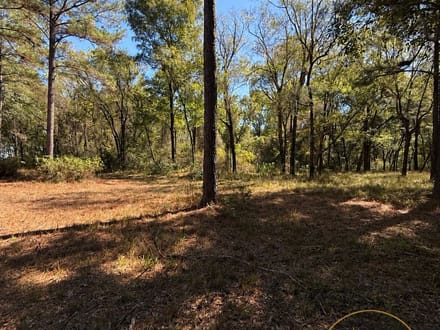
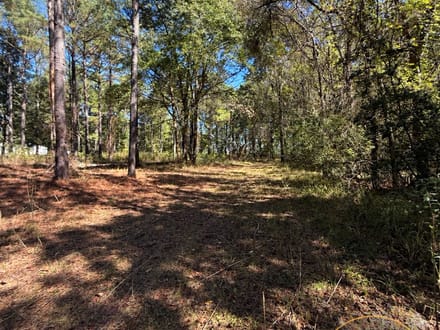








How Timberland for Sale Earns Over a Rotation
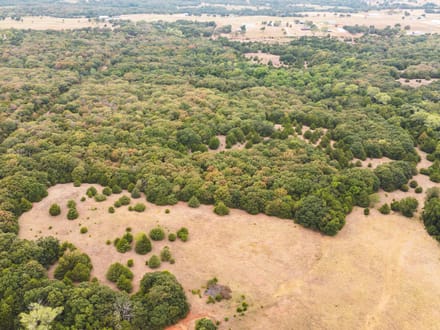
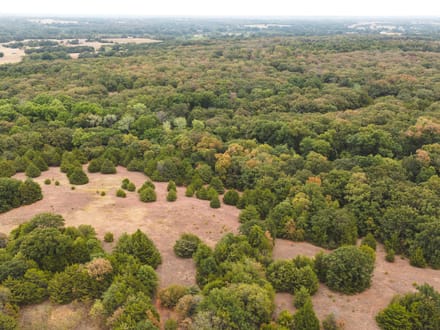
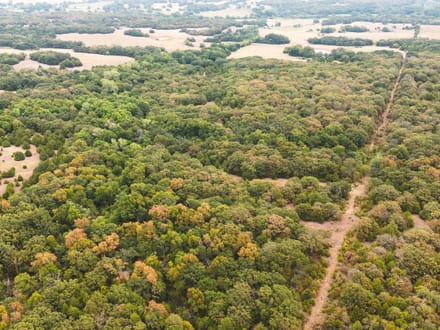
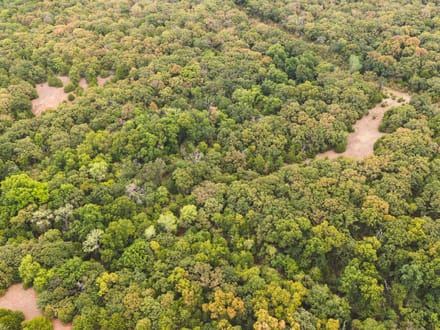
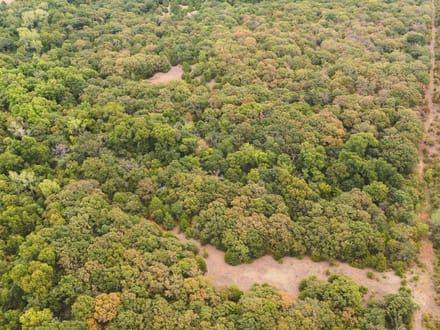
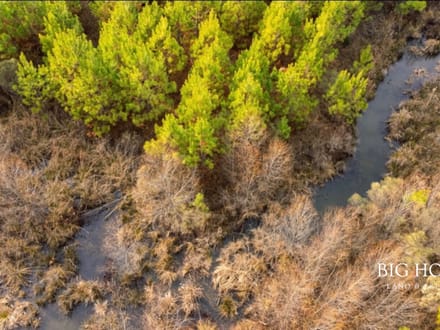
Timberland pays on a long clock. When you buy it, you buy the land and the standing trees on it. Those trees keep adding volume while you own them. You earn when you sell timber, usually through one or more thinnings and then a final harvest.
Location shapes your markets. According to USDA Forest Service research, the 13 Southern states produce nearly 60 percent of the nation’s timber. The same research describes Southern timberland as mostly privately owned. If timber income is your goal, that regional strength is worth weighing as you compare tracts.
When Timber Income Arrives
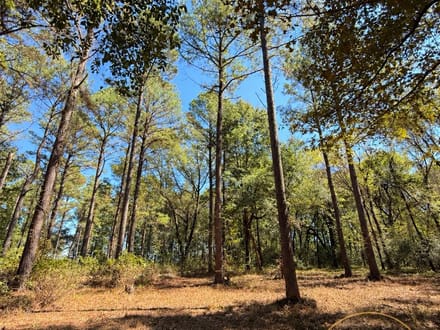
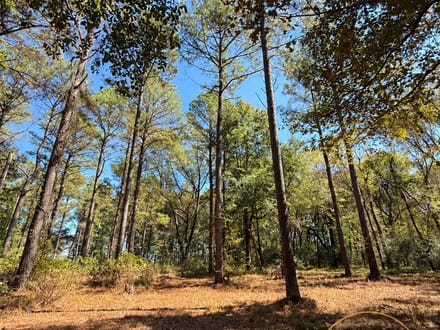
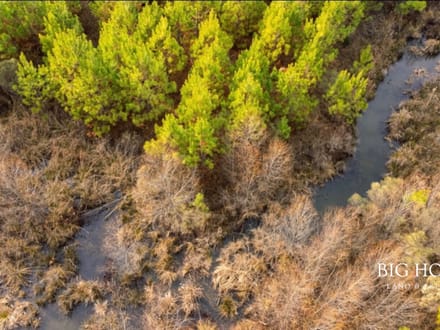
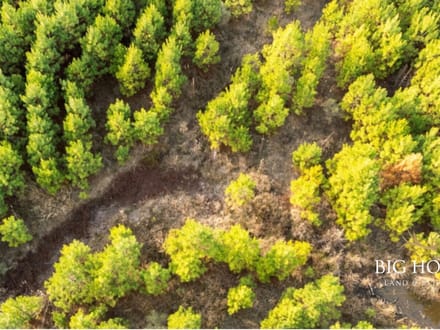
Pine plantations follow a fairly predictable timeline. Mississippi State University Extension says some stands are ready for a first thinning as early as age 12. Others are not ready until age 18 or older. The timing of that first thinning can shape the stand’s productivity and economics for the next 20 to 30 years.
A thinning removes crowded, slower trees and pays you intermediate income. It also gives the best crop trees room to grow toward higher-value sawtimber. MSU notes that first-thinning income is a fairly small share of a stand’s total income stream. Most of the value comes later, so the age of the stand you buy tells you when to expect it.
Size matters as much as age. MSU says trees must average at least 6 inches in diameter at breast height to sell as pulpwood. Trees should also stand at least 40 feet tall for a thinning to be economical. Ask for a recent stand inventory so you know where a tract sits on that timeline.
What to Check on a Timber or Investment Tract
- Stand age and species. These set your harvest timeline. Pine and hardwood stands grow and sell on different schedules.
- Timber volume and quality. Have a professional forester evaluate the timber before you buy, especially when timber is a large part of the price.
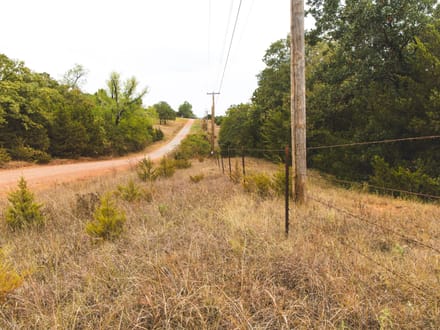
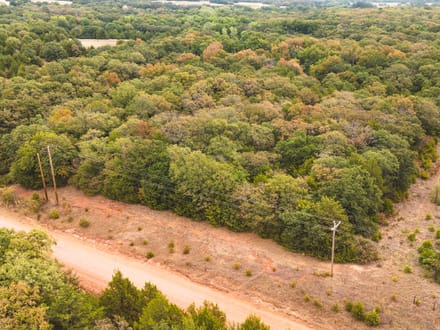
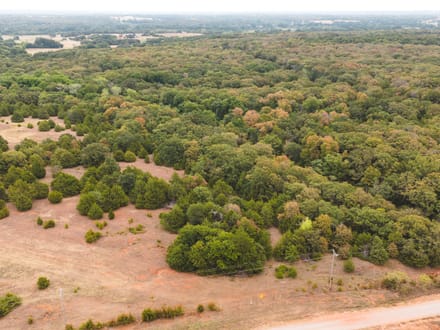
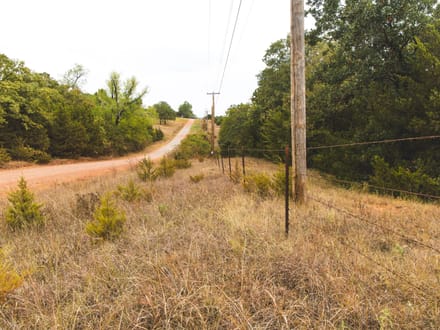
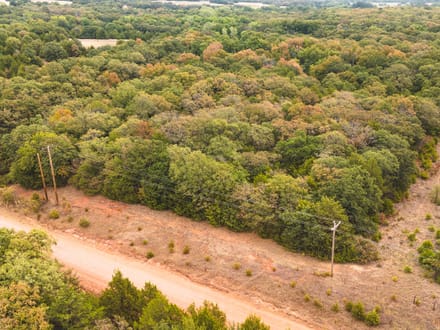
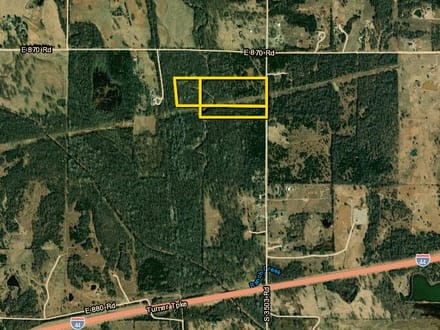
- Log truck access. Terrain, haul distance, and road conditions all affect what buyers pay for your timber.
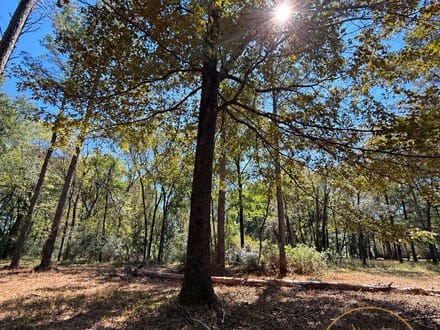
- Wildlife value. Thinning lets sunlight reach the forest floor and grows browse for deer. Many timber tracts hunt well as a result.
- Other uses. Road frontage and development potential can add value beyond the timber itself.
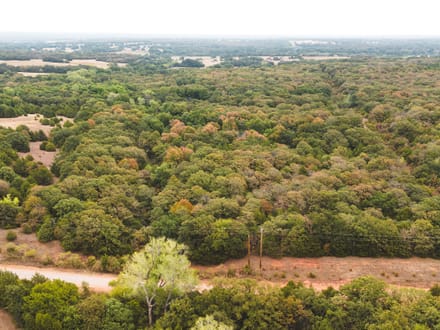
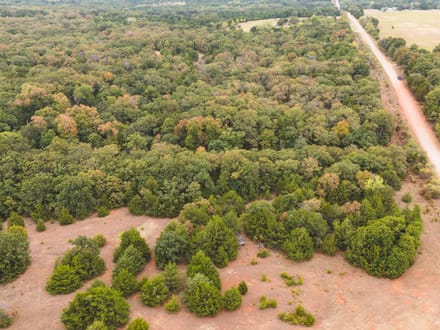
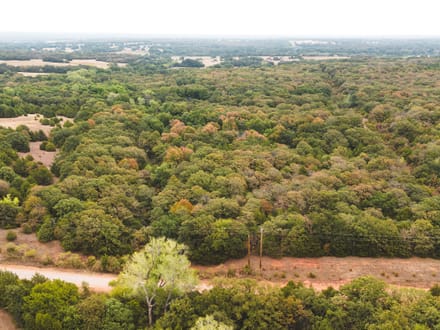
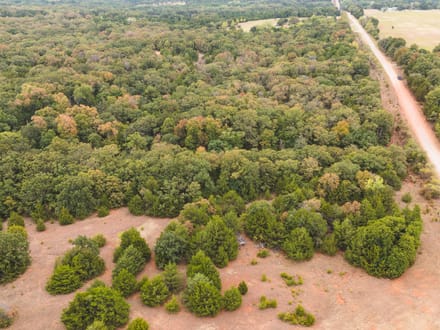
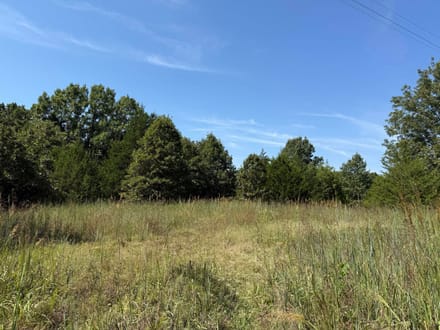
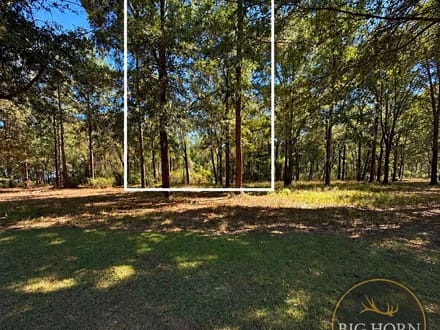
Not every tract here is a working timber stand. Some are undeveloped acreage or lots that buyers hold for future use. With these, the value rests on the land itself. Location, access, utilities, and zoning matter most. Land carries no guaranteed return, so judge each tract on what you can do with it now and later.
Timber prices move with markets and differ by region. They also vary by product, from pulpwood to sawtimber. For current figures, check your state’s timber price report, such as the Mississippi Timber Price Report from Mississippi State University Extension.
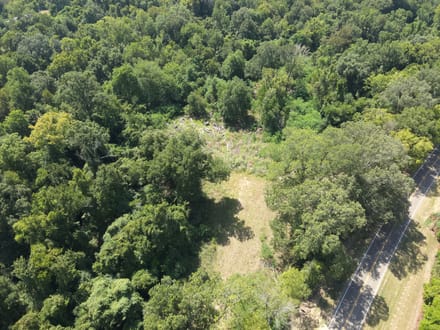
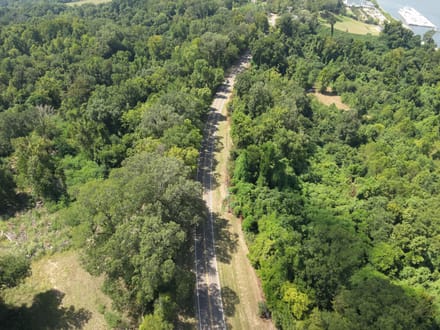
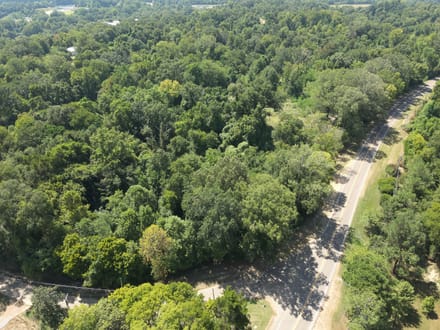
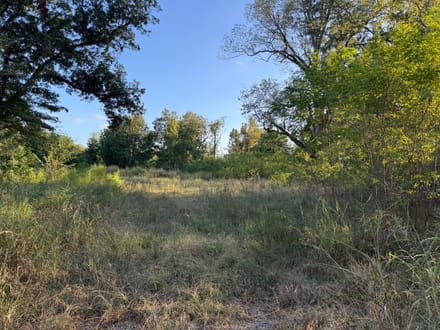
Browse the timber tracts and investment properties above. If you also hunt, compare them with our hunting and recreational land. When you are ready, contact our team to talk through a tract’s timber, access, and income potential.
