
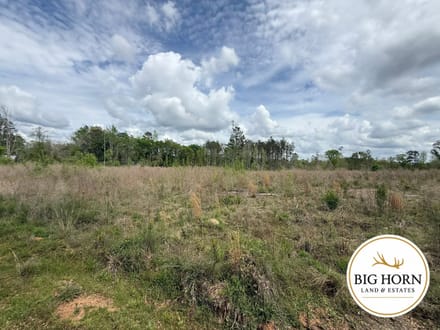
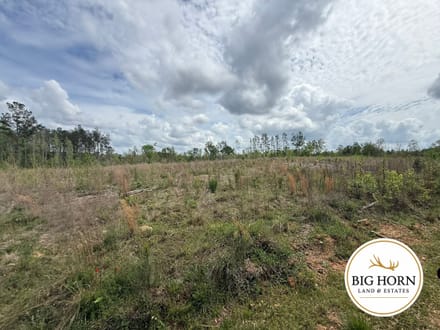
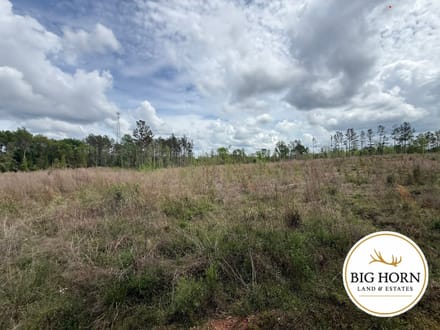
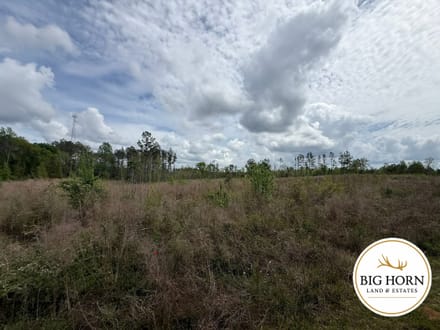














What You Get When You Own Your Own Hunting Land
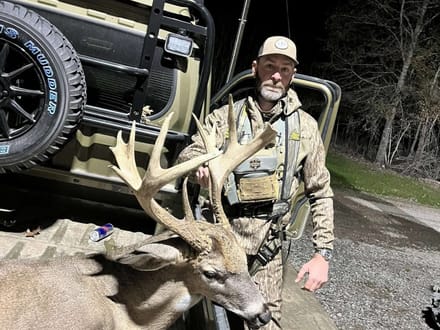
Owning hunting land means you set the rules. You decide who hunts, when the stands go up, and how much pressure the property takes. You also control the habitat work, from food plots to timber cuts. For many hunters, that control is the reason to stop leasing and start shopping for hunting land for sale.
You will not be alone in wanting good ground. The U.S. Fish and Wildlife Service found that 14.4 million Americans age 16 and older hunted in 2022. Each of them needs a place to go every season. When you own the land, access is no longer something you have to compete for.
Food, Cover, and Water: How to Judge a Tract
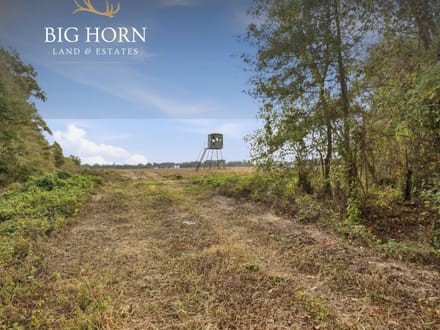
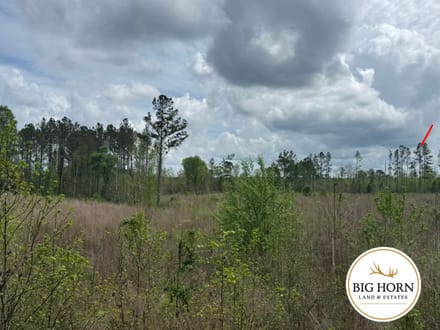
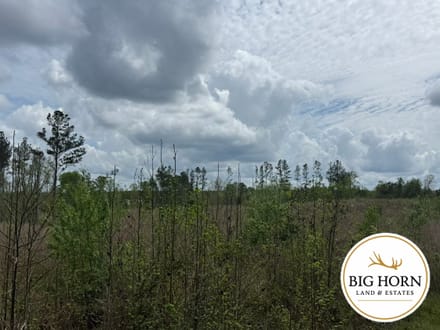
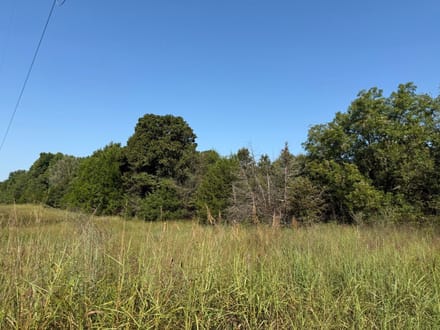
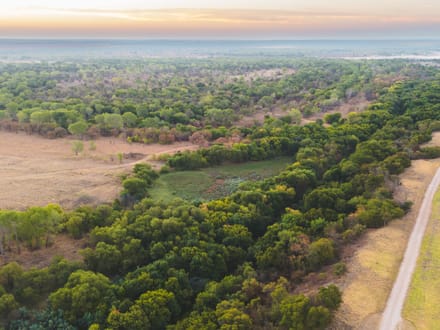
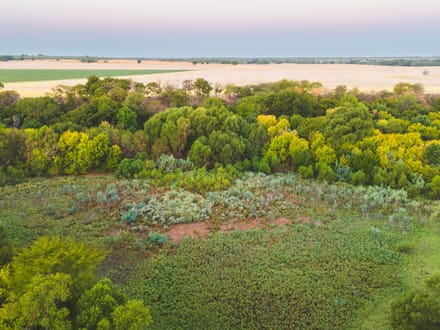
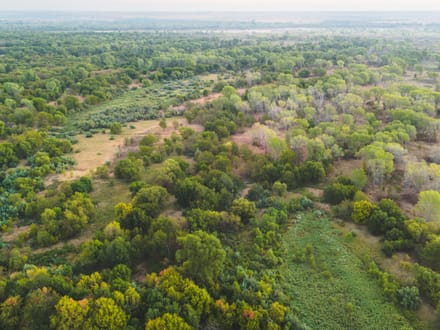
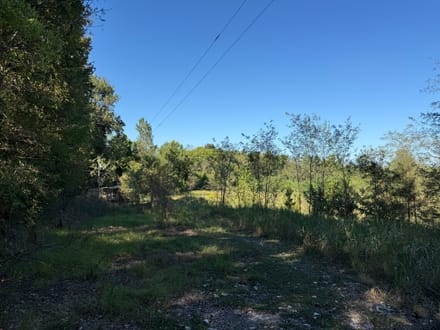
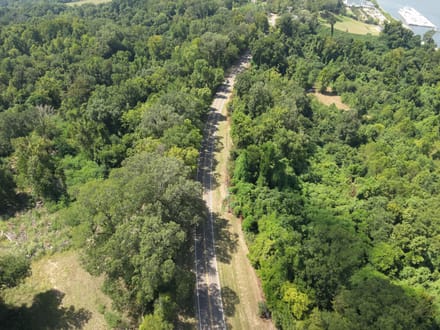
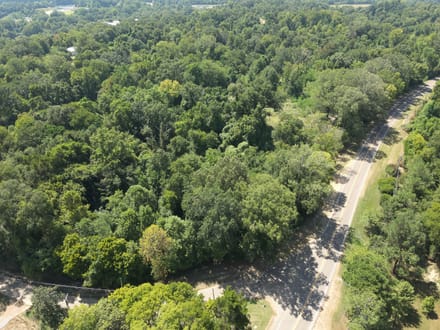
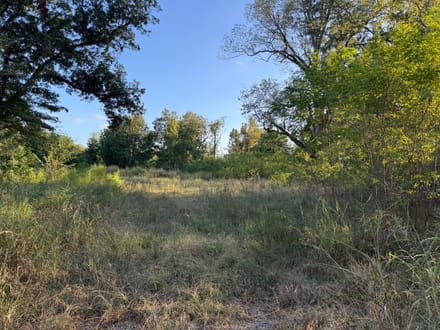
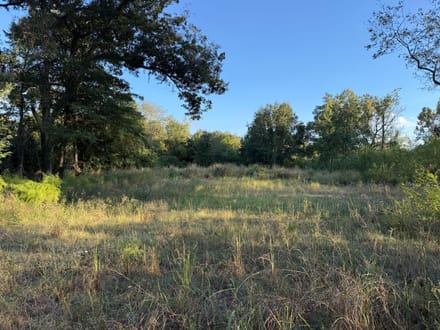
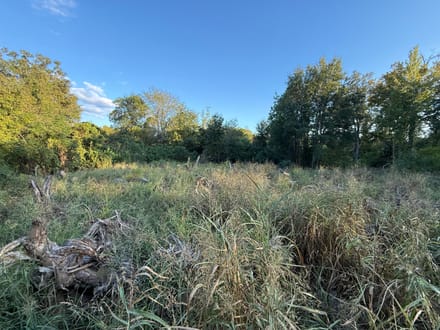
University of Missouri Extension lists food, cover, and water as the essential needs of white-tailed deer. Its guidance also notes that deer are drawn to edges, where food and cover sit close together. A tract that offers all of this will hold game through the season. As you walk a property, check each of these points.
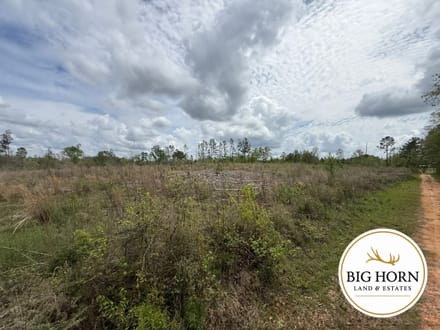
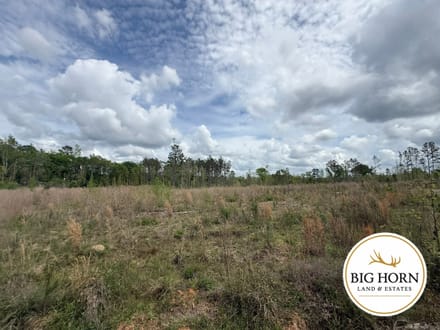
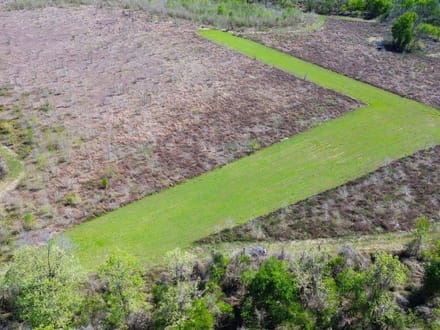
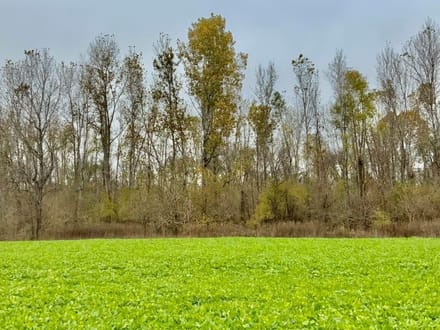
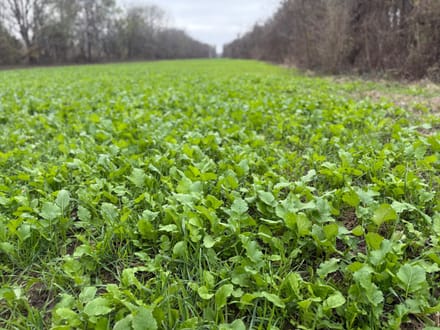
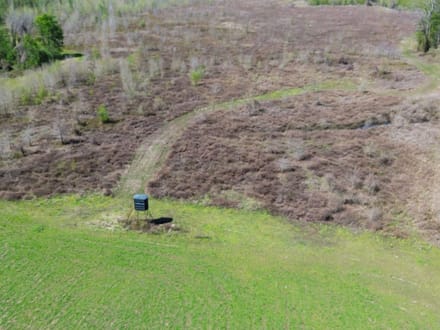
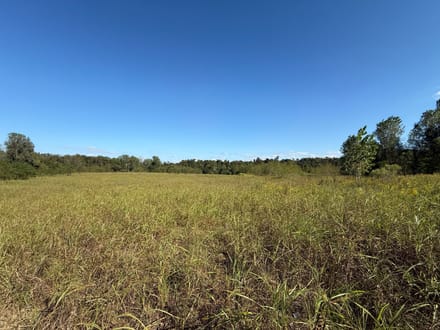
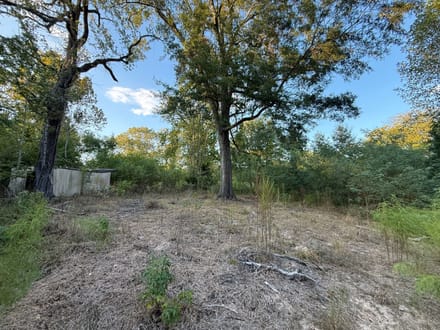
- Food. Look for oaks that drop acorns, fresh browse, and open spots for food plots.
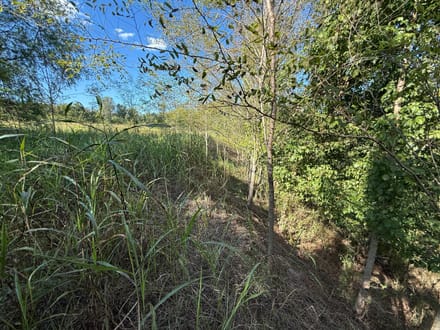
- Cover. Thickets, young timber, and brushy edges give deer places to bed and hide.
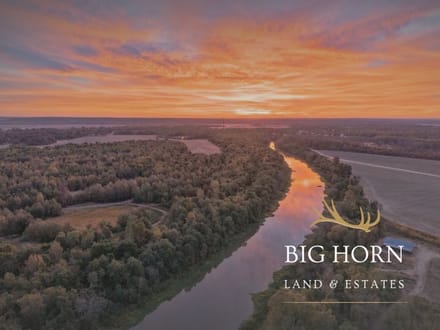
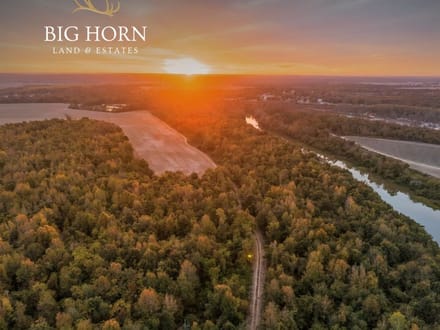
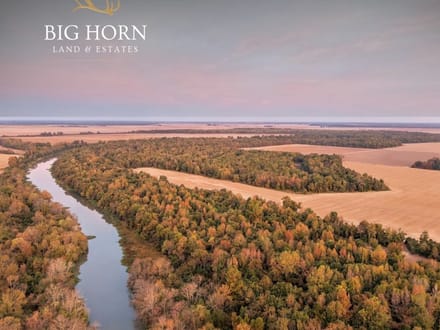
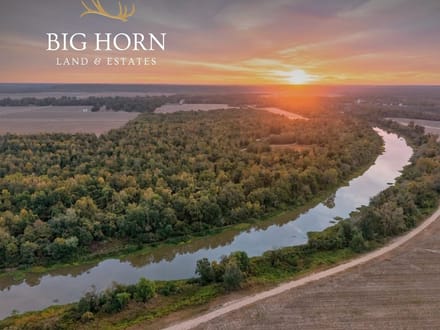
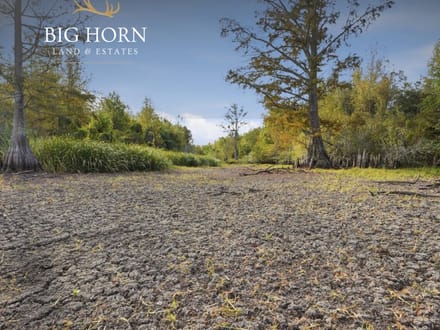
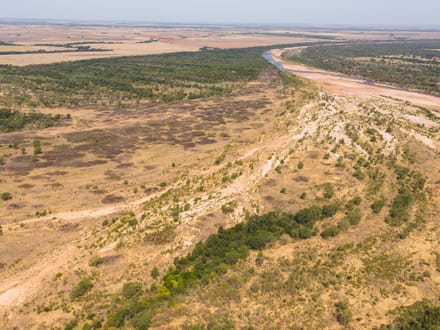
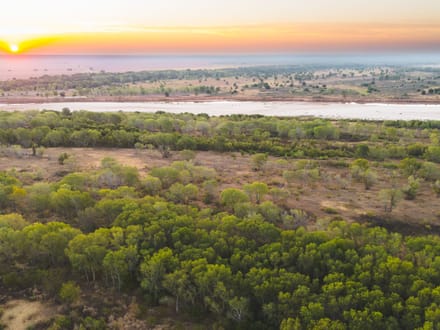
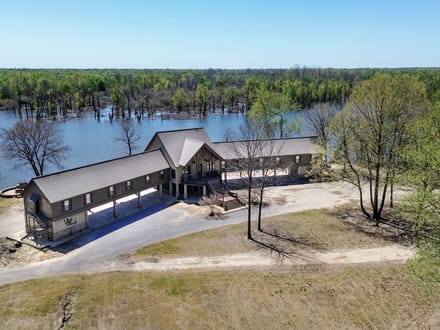
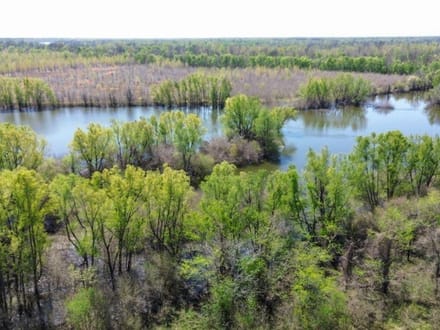
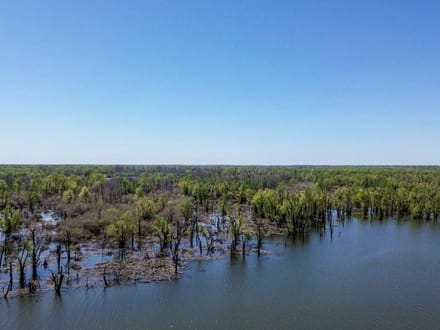
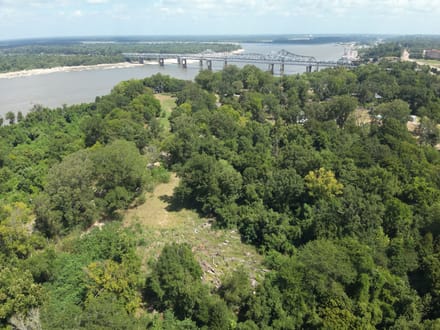
- Water. Creeks, ponds, and sloughs keep game close. Wetlands and bottomland timber also draw waterfowl.
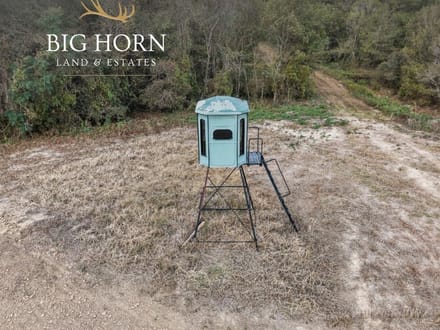
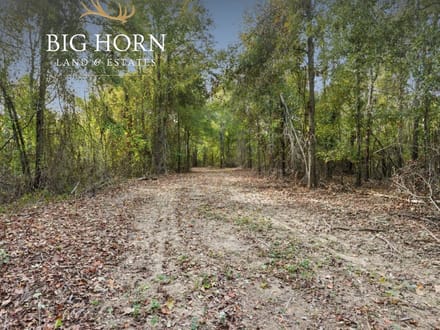
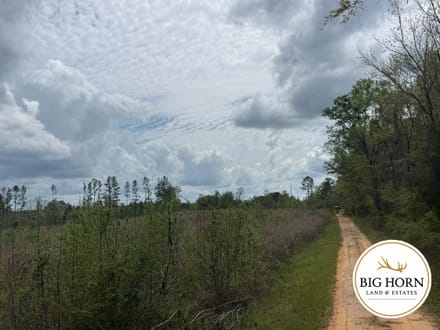
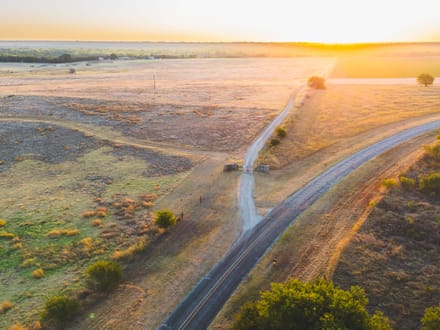
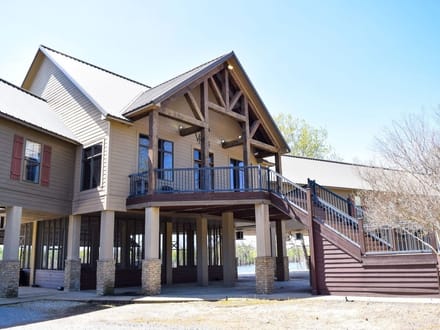
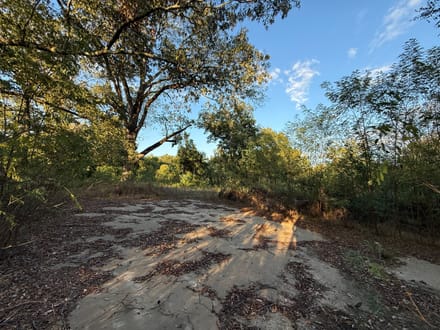
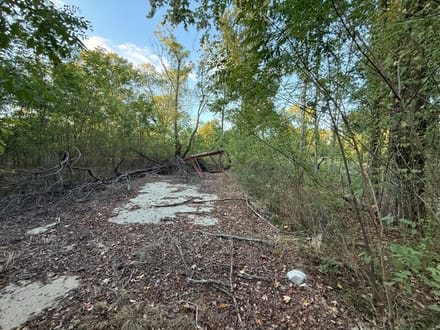
- Access. Interior roads and more than one entry point let you reach stands without spooking game.
- Neighbors. Land use next door affects your hunt. Check whether adjoining tracts are farmed, logged, or hunted hard.
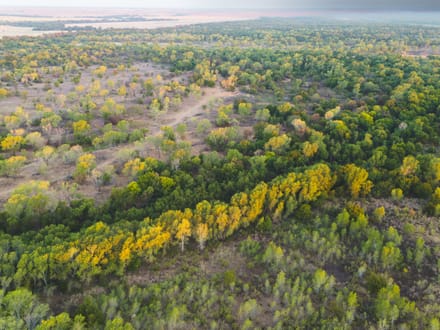
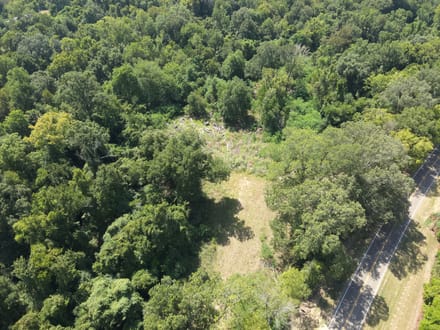
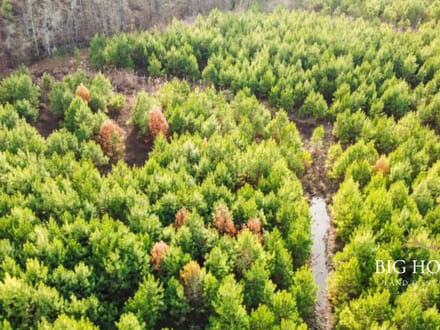
Timber work and good hunting can go together. Missouri Extension notes that thinning, timber harvests, and small openings let more sunlight reach the ground. That sunlight grows the browse and shrubby cover deer use. So a tract with some recent cutting can hunt better than an unbroken stand of mature woods.
If ducks are your main focus, browse our waterfowl hunting land as well. Season dates and bag limits change by year and by state. Check your state wildlife agency for current rules before you plan a hunt.
How Hunting Land Can Help Pay Its Way
Your land does not have to sit idle between your own hunts. Mississippi State University Extension describes a recreational hunting lease as a low-effort way to diversify income from a property. Leases can run by the season, by the year, or for several years. A lease can also reserve your right to harvest timber or farm the land.
Habitat drives lease value too. In its guidance for Mississippi landowners, MSU Extension notes that hunters most often seek mature hardwood and mixed pine-hardwood forest. Wetlands and bottomland hardwoods command higher lease prices. Roads, trails, and lodging can also raise what lessees will pay. So the work that improves your own hunting can also help the land earn.
Browse the hunting land listings above to find your next tract. You can also widen your search across all of our land for sale. When a property catches your eye, contact our team to walk the ground with a Big Horn land specialist.
